How To Begin Transitioning To A Plant-Based Diet
By Amos Lozano · July 12, 2023 · Health
Making the transition to a plant-based diet can be a big change, but it can also offer a range of potential health benefits. A plant-based diet is centered around whole, unprocessed plant foods such as fruits, vegetables, grains, legumes, and nuts. It may exclude or significantly reduce the consumption of animal products, such as meat, dairy, and eggs.
Tips For The Transition
- Start slowly. It can be overwhelming to switch all at once. Gradually add more plant-based meals and snacks and reduce your intake of animal products.
- Plan ahead. Planning meals and snacks keeps you on track and ensures a variety of nutrients. Keep favorite plant-based options on hand to avoid temptation on the go.
- Experiment with new foods. A plant-based diet opens up a whole new world. Try different grains, legumes, vegetables, and spices to discover new flavors and textures.
- Seek out plant-based protein. Beans, lentils, tofu, tempeh, nuts, and seeds are all excellent sources.
- Don't be too hard on yourself. Setbacks are normal. If you slip up, just get back on track as soon as possible.
Potential Health Benefits
- Weight loss: Plant-based diets tend to be lower in calories and fat than diets that include animal products.
- Improved heart health: High in fiber, antioxidants, and heart-healthy nutrients that can reduce the risk of heart disease.
- Lower risk of certain cancers: Research suggests links to lower risk of breast, prostate, and colon cancer.
- Improved blood sugar control: Fiber helps regulate blood sugar and reduce the risk of type 2 diabetes.
- Improved gut health: Fiber supports healthy gut bacteria and digestive health.
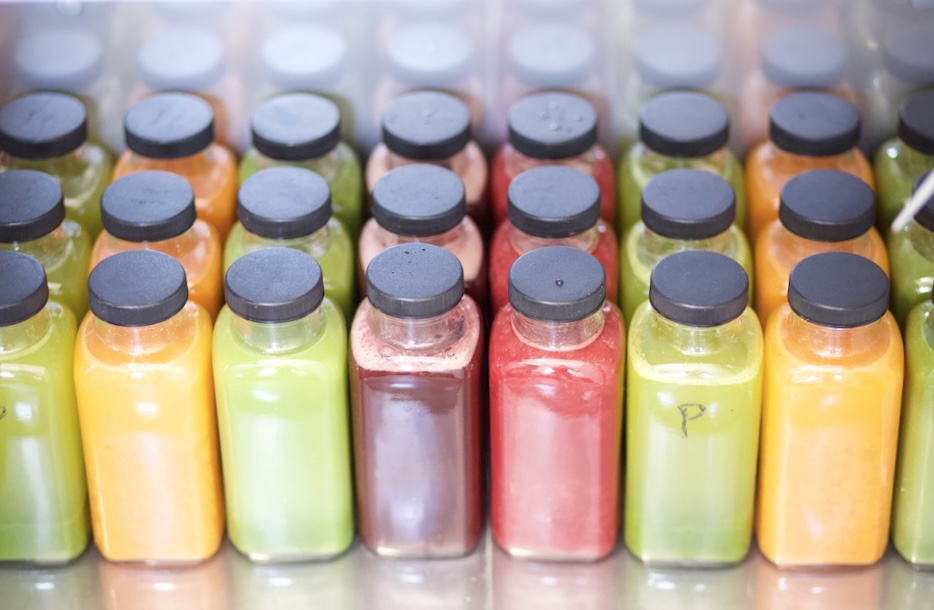
Overall, transitioning to a plant-based diet can be a rewarding and healthy choice. With careful planning and a willingness to try new foods, you can enjoy the many potential benefits a plant-based diet has to offer. Pair the transition with a juice cleanse to jump-start the reset.